Science and empathy might seem like opposites because one is rooted in data and the other is rooted in emotion. However, through both experiences and discussions in my Theory of Knowledge (TOK) class, I’ve come to realize how connected they truly are. In particular, neuroscience and human sciences thrive on understanding people. It’s not just about neurons firing or analyzing brain scans. Instead, I believe that it’s about what those signals really mean. It’s about the stories, emotions, and experiences behind them.
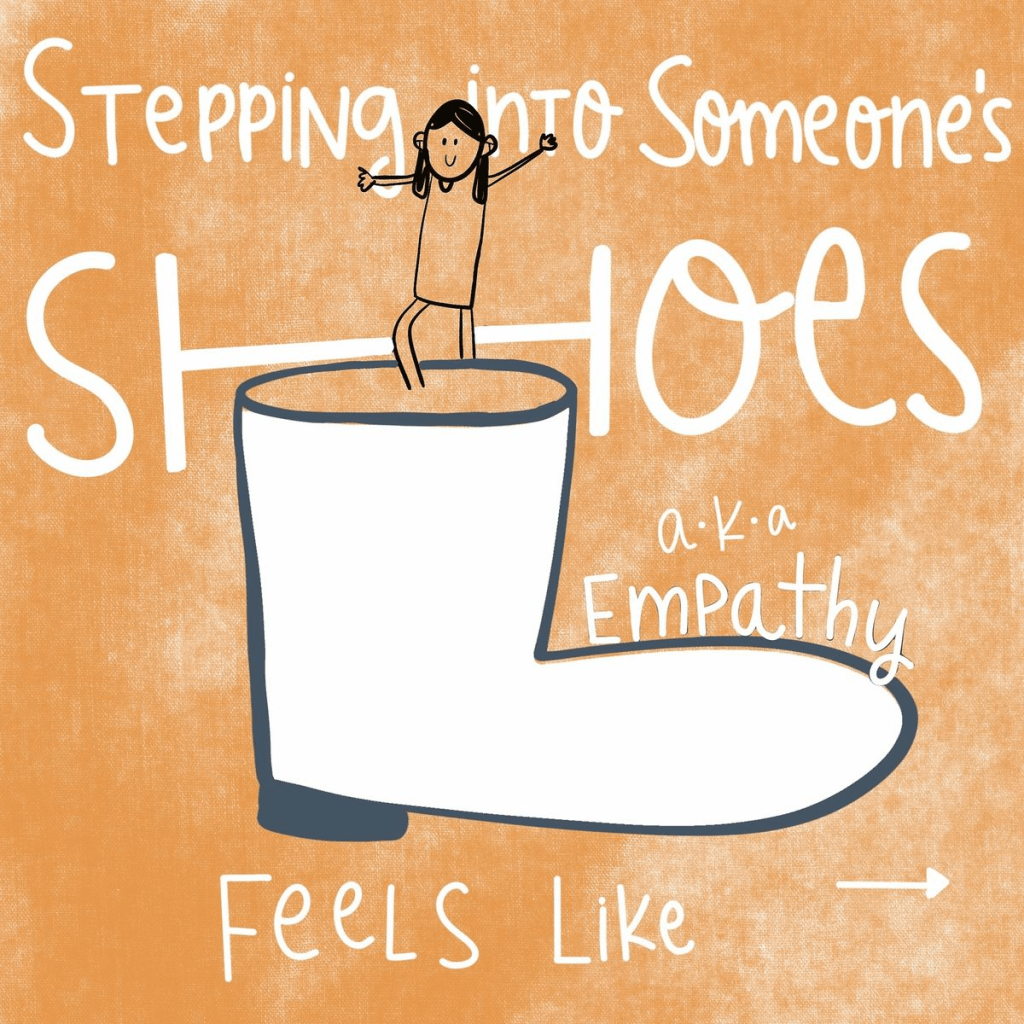
In a recent TOK class, my teacher told my class about the Stanford Prison Experiment, where a group of young men were given roles to “act” like prisoners and guards to see how the situation unfolded. As I watched the documentary, I remember thinking about how empathy played such an important role in the experiment because understanding the actions of prisoners/guards in real life required putting the participants in the shoes of these “characters.”
When I work with neurodiverse children, I usually think of empathy as a kind of “soft science.” It helps bridge what research shows and what real people feel. A textbook might describe sensory overload or executive dysfunction, but empathy teaches us how those things look in daily life, whether it’s the noise that feels like too much for certain kids, or the frustration when words won’t come out right
True empathy means listening without judgment. It means asking, “What can I learn from you?” instead of “What’s wrong with you?” So while fields like neuroscience can teach us about the mechanics of the brain, empathy teaches us about its meaning and magic behind it.
The more we blend compassion with science, the more humane discoveries become. Empathy is the catalyst that can lead scientists to ask better research questions and develop better therapies as well as more inclusive education based on the experiences of their loved ones. It reminds us that science isn’t just about what goes on in labs, it’s about what goes on in people’s lives.
So, looking forward, if we all want our future to include mental health and medicine actually help everyone, then empathy is not optional; it’s essential.

 RAYs of Thought
Leave a reply to Anonymous Cancel reply